
Description
“The advantage of a bad memory is that one enjoys several times the same good things for the first time.”
– Friedrich Nietzsche
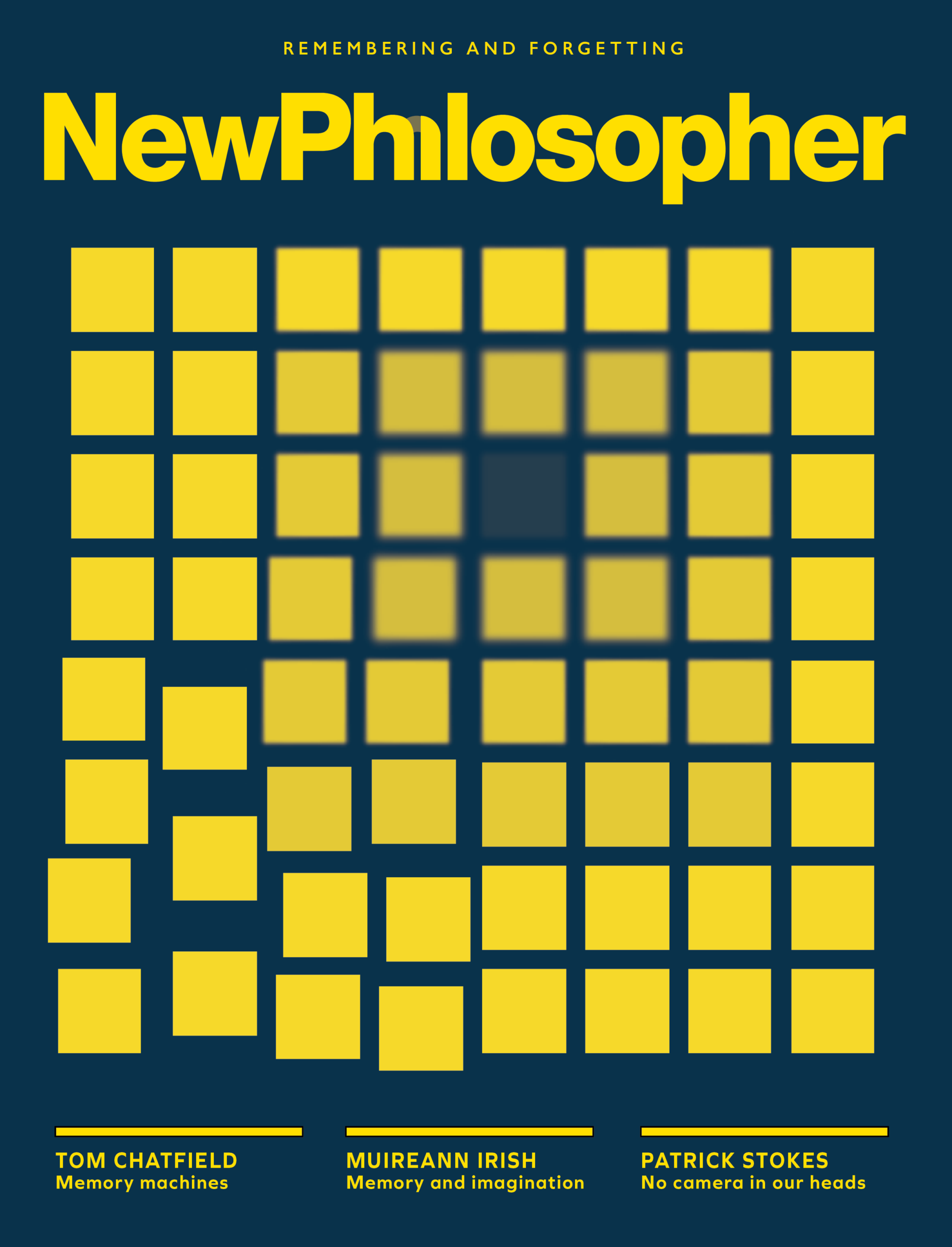
Memory has a remarkable reputation, considering how often it lets us down.
We forget names, appointments, passwords, birthdays, the thing we went into the room to get. We misplace keys, books, glasses, conversations, sometimes whole stretches of time. Then, just as strangely, we keep what appears to be useless: the pattern on a childhood curtain, the smell of a neighbour’s hallway, the exact tone in which someone once said something unkind.
And still we trust memory. We trust it in family arguments, in courtrooms, in memoirs, in history, in love. “I remember” has the force of evidence. It can settle a dispute, reopen one, excuse a grudge, preserve a person, or keep a wound from closing. We build our lives around remembered things, while knowing, when pressed, that memory is not a perfect record.
Writers and philosophers have long been troubled by this. Plato worried that writing would weaken memory by giving us something outside ourselves to rely on. Locke placed memory near the centre of personal identity. Proust found a whole lost world in the taste of a madeleine. Each understood, in a different way, that memory is never simply storage. It touches knowledge, selfhood, habit, time, grief, and desire.
Perhaps that is why forgetting is so unsettling. To forget is not only to lose information; it can also feel like losing part of a person, or a place, or even ourselves. Yet a life without forgetting would be unliveable. Imagine remembering every slight, every embarrassment, every meal, every bus ride, every password, every dream. Forgetting may well be one of memory’s necessary mercies.
Zan Boag, Editor-in-Chief