“Mindset! Mindset! Mindset!” said the mother of the boy sitting with my son at Nationals, the yearly chess tournament for kids 5-18 years old. Our boys were 9, but they had been ingesting messages like this for years. Mindset’s outside voice cheers: “Believe in yourself!”, but the thousands of players that day couldn’t help but hear the low-rattle hissing underneath: “Losing means you didn’t believe hard enough.”
When the chess-mom used the term “mindset”, she was tapping into a worldview that links beliefs with outcomes, intentions with results. Manifestation is the end of the line for this logic; it’s the idea that you can literally make your wishes come true through a series of practices like writing down your goals and visualising them every day. Manifestation is a ‘religion’ that requires faith and works, steadfastness and elbow grease. Any acolyte will tell you it’s less like wishing on a shooting star and more like army-crawling, hour by hour toward your goal, amidst a storm of doubts, insecurities, and hecklers. People who manage to manifest their dreams swear by it and insist that success begins with adopting the right outlook. Like The Little Engine That Could, you must think you can.
The “believe” half of “believe and succeed” is not new. The ancient Stoics would have agreed with manifesters that some attitudes are better than others. Also, that a person’s attitude is directly related to their level of happiness. For the Stoics, ataraxia, or freedom from worry, is a choice, and it’s possible only when we realise that we have supreme control over the innermost parts of life: our feelings, moods, and reactions. We can choose to be offended by a sibling’s passive-aggressive remark, or we can smile, remembering Epictetus’s idea that no one can injure us if we do not let them. Our attitude is up to us, he said, so the Negative Nellies of the world are to be pitied, not scorned. The right mindset can go a long way.
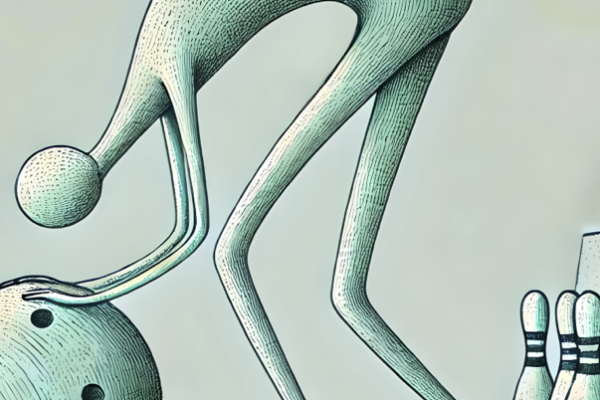

Mindset and manifestation
From this issue

Print subscription
Receive New Philosopher in print and enjoy full access to our digital archive.
View subscriptions